.png)
If you’ve recently been told you have a slipped disc, also known as a prolapsed disc or herniated disc, it’s completely natural to feel concerned.
Many patients search for “slipped disc treatment UK” or “is a slipped disc serious?” and often find alarming information online.
The reassuring news is this: most slipped discs are not dangerous and improve without surgery.
What Is a Slipped (Prolapsed) Disc?
A slipped disc refers to a disc herniation in the spine. The discs sit between the bones (vertebrae) of your spine and act as shock absorbers.
Sometimes part of the disc bulges or protrudes. If it irritates a nearby nerve, it can cause symptoms.
Despite the name, nothing has actually “slipped” out of place.
Common Slipped Disc Symptoms
Symptoms depend on where the disc problem occurs (neck, upper back, or lower back) and whether a nerve is being compressed.
1️ Back or Neck Pain
This is usually the first sign.
- Pain may be sharp, burning, or aching
- Often worsens with movement, coughing, or sneezing
- Pain may come and go or become constant over time
Lower back slipped discs are more common, so many people experience pain in the lumbar (lower spine) area.
2️ Pain Spreading to Arms or Legs (Radiating Pain)
When a slipped disc presses on a nerve, pain can travel along that nerve’s path.
If the disc is in the lower back:
- Pain may travel through the buttocks, thigh, calf, or foot
- This is commonly known as sciatica
If the disc is in the neck:
- Pain may spread to the shoulder, arm, or hand
This radiating pain is often described as shooting, electric, or burning.
3️ Numbness or Tingling
Pressure on spinal nerves can affect sensation.
You may feel:
- Pins and needles
- Areas of reduced feeling
- Tingling in the arms, hands, legs, or feet
The location of numbness depends on which nerve is affected.
4️ Muscle Weakness
A slipped disc can interfere with nerve signals that control muscles.
This may cause:
- Weak grip in the hands
- Difficulty lifting the foot (foot drop)
- Trouble standing for long periods
- Feeling like your leg or arm may “give way”
Muscle weakness is an important symptom that should not be ignored.
5️ Increased Pain While Sitting or Bending
Certain positions can increase pressure on the spine.
Pain often worsens when:
- Sitting for long periods
- Bending forward
- Lifting heavy objects
- Twisting the back
Many patients say they feel better when lying down or changing positions.
When Should You Seek Urgent Medical Attention?
Although uncommon, you should seek urgent assessment if you experience:
- Loss of bladder or bowel control
- Numbness in the saddle area
- Rapidly worsening leg weakness or arms
These symptoms require immediate medical review. Although rare, they could signal cauda equina and you need urgent medical attention.
Is a Slipped Disc Serious?
In the vast majority of cases, no.
Research shows that most prolapsed discs:
- Improve naturally over weeks to months
- Reduce in size over time
- Respond well to conservative treatment
It’s also important to know that many people in the have disc bulges on MRI scans without any symptoms at all.
Treatment is guided by your symptoms not just your scan result.
What to do immediately after a slipped disc?
If you suspect a slipped disc:
- Stop strenuous activity and avoid heavy lifting, twisting, or bending.
- Rest in a comfortable position lying on your back with a pillow under your knees or on your side with knees slightly bent can relieve pressure.
- Take over-the-counter pain relief (like paracetamol or NSAIDs) if needed, following the instructions on the label.
- Consult a doctor or spine specialist for proper diagnosis and guidance on safe movement or physical therapy.
Avoid prolonged bed rest gentle movement is important to prevent stiffness.
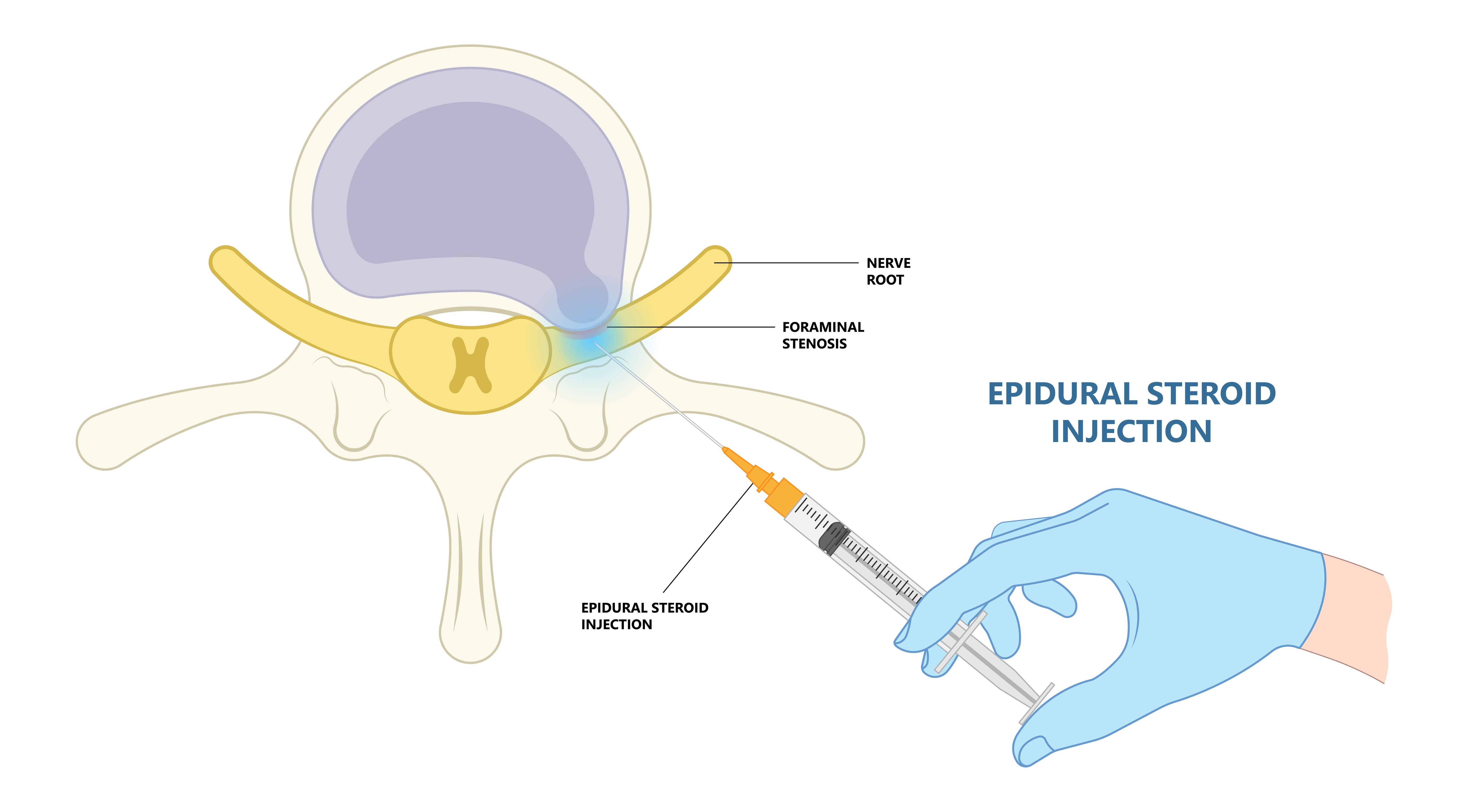
Slipped Disc Treatment : Do You Need Back Injections ?
Typically when:
- Leg pain has lasted several weeks
- Physiotherapy and medication haven’t helped enough
- Pain is limiting normal daily activities
- There are no urgent red-flag symptoms
They are not usually the first step but they can be very helpful at the right stage.
Slipped Disc Treatment : Do You Need Surgery?
Most people do not require surgery.
Initial treatment usually involves:
- Staying gently active
- Structured physiotherapy
- Pain management when necessary
- Gradual return to normal movement
Surgery may be considered if:
- Leg pain (sciatica) or arm pain remains severe
- There is worsening muscle weakness
- Symptoms significantly affect quality of life
- Conservative treatment has not helped
When appropriate, procedures such as microdiscectomy can be very effective but they are not needed for most patients.
Emergency surgery is performed in Cauda Equina resulted by a slipped disc. Or in rare occurrence of spinal cord getting compressed by a large slipped disc in neck.
The Key Message
A slipped disc is common.
It is usually manageable.
And most people recover well.
The goal is not to treat an MRI scan it is to help you return to movement confidently and safely.
If you’ve been diagnosed with a slipped or prolapsed disc, try not to assume the worst. With clear, evidence-based advice and a sensible recovery plan, most people in the UK improve without needing surgery. If you are unsure about your symptoms or would simply like reassurance from a spine specialist, seeking expert guidance can provide clarity and peace of mind helping you move forward with confidence rather than fear.
.png)